“Blockchain and Artificial Intelligence: A Powerful Tech Alliance Shaping the Future” “Blockchain and Artificial Intelligence: A Powerful Tech Alliance Shaping the Future” You are seeing a big change in technology that's changing industries. The mix of blockchain technology and artificial intelligence (AI) is making new solutions. These solutions make things more secure, clear, and efficient. Blockchain's unchangeable record and AI's smart choices are changing how businesses work. As these techs grow, their convergence will lead to big steps forward in many areas. Key Takeaways The mix of blockchain and AI is making things safer and clearer. Blockchain's record and AI's smarts are making new solutions. The joining of these techs is expected to bring big changes. Industries are being changed by the power of blockchain and AI together. The future of this partnership looks very promising. The Convergence of Two ...
“Blockchain vs Cryptocurrency: Understanding the Core Difference “Blockchain vs Cryptocurrency: Understanding the Core Difference The terms blockchain and cryptocurrency are often used interchangeably, but they have distinct meanings. Blockchain technology is a decentralized, digital ledger that records transactions across a network of computers. It has various applications beyond digital assets, such as supply chain management and smart contracts . Cryptocurrency , on the other hand, is a digital or virtual currency that uses cryptography for security and is based on blockchain technology . Understanding the core difference between these two concepts is crucial for navigating the digital landscape. Key Takeaways Blockchain technology is a decentralized digital ledger. Cryptocurrency is a digital currency that uses cryptography for security. Blockchain has various applications beyond digital assets. Understanding the differe...
Windows or Mac: Discover the Best Operating System for You
movienas
ad code here
ad code here
ad code here
Please wait 0 seconds...
Go to Link
ad code here
ad code here
ad code here
Windows or Mac: Discover the Best Operating System for You
Windows or Mac: Discover the Best Operating System for You
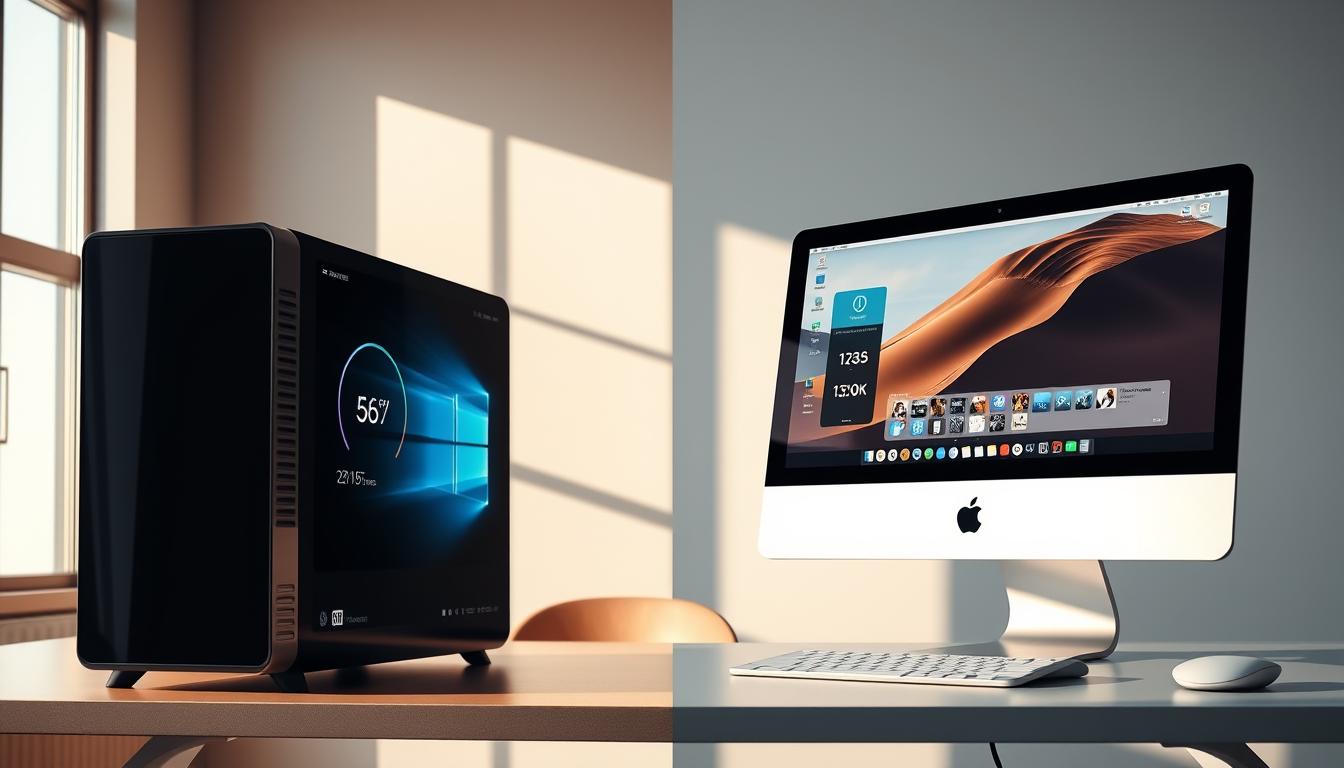
Choosing between Windows and Mac can be tough. They have different features and user bases.
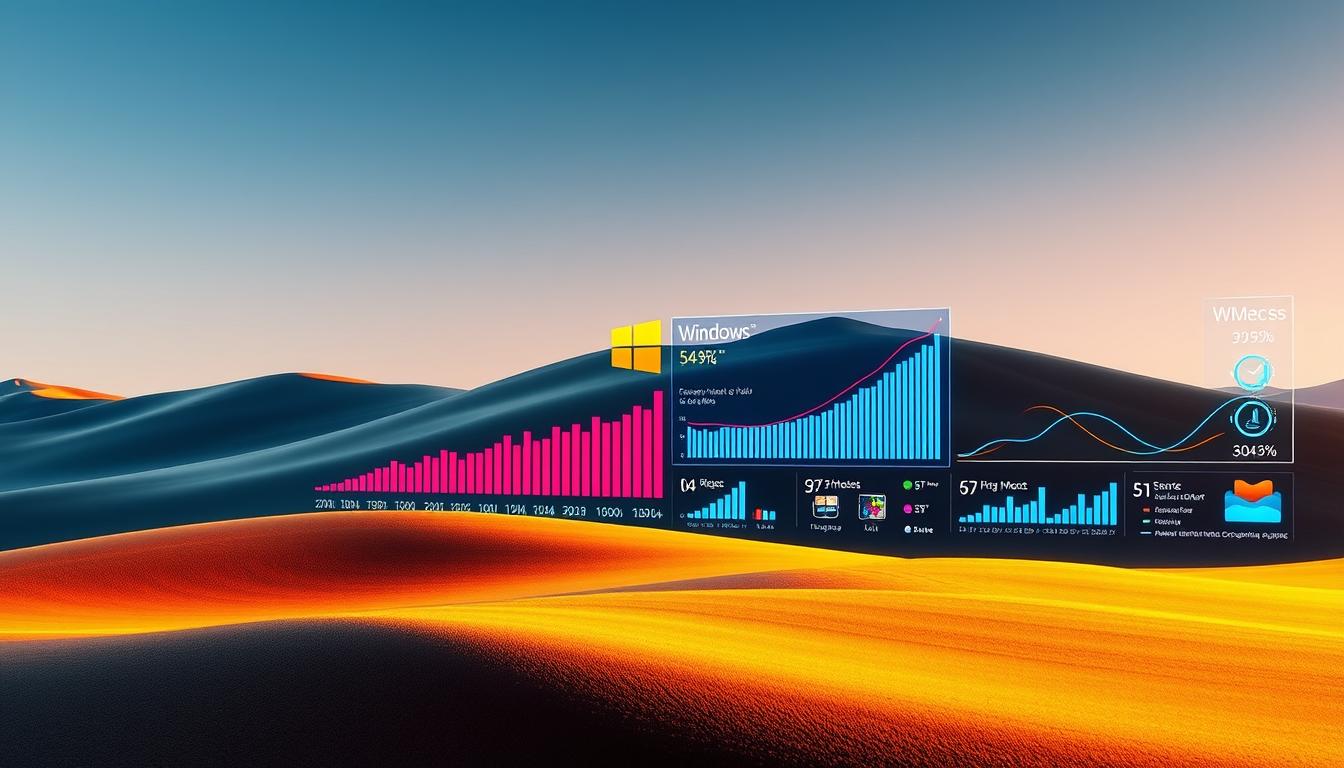
By February 2024, Microsoft's Windows leads with about 72% of the desktop OS market. Apple's macOS holds around a fifth of the market.
When picking an operating system, think about what you need. Are you a gamer, creative pro, or just need a reliable PC?
The best choice depends on many things. These include how well it works with other stuff, how safe it is, and how easy it is to use.
Key Takeaways
Windows is the most widely used desktop OS worldwide.
macOS has a significant market share among creative professionals.
Choosing the right OS depends on individual needs and preferences.
Consider factors like compatibility, security, and user experience.
Both Windows and Mac have their unique features and advantages.
The Evolution of Operating Systems
Understanding how operating systems have changed is key to choosing the right computer. The history of these systems is filled with innovation and growth.
A Brief History of Windows
Windows has grown a lot over the years. It started as a simple graphical user interface (GUI) for MS-DOS. Now, it's a complex system with many features.
Some important moments include:
The release of Windows 3.0 in 1990, which became very popular
Windows 95, which introduced the Start menu and taskbar
Windows 10, which brought a universal app platform and better security
Today, Windows is a leading choice in the operating system market.
The Development of macOS
macOS started with Unix. It was first called Mac OS X and came out in 2001. It's known for its sleek design and easy-to-use interface.
Some key updates include:
The introduction of the Aqua theme in Mac OS X 10.0
The release of OS X Mountain Lion, which added more iOS-like features
The rebranding to macOS in 2016, to match Apple's other systems
Both Windows and macOS keep getting better, each with its own strengths and fans.
Windows vs Mac Market Share: By the Numbers
Exploring the world of operating systems reveals an interesting story through numbers. As a consumer, you greatly influence these statistics.
Global Operating System Usage Statistics
The global market share of operating systems shows what users prefer. By February 2024, Windows held around 72% of the market share. macOS had about 20%. This shows Windows is the clear leader globally.
Looking at the number of users worldwide is key. With Windows leading, it's clear most computer users choose it.
Windows vs Mac Users Percentage
Now, let's examine the user percentages for each operating system. Here's a summary:
Operating System
Market Share Percentage
Windows
72%
macOS
20%
Others
8%
Market Trends and Future Projections
Knowing the current market share is just the start. Looking at market trends and future projections gives us a glimpse of what's to come. New technology, changes in what people want, and how companies compete will shape these trends.
Keep these factors in mind when choosing your next device or operating system.
User Interface and Experience Comparison
When deciding between Windows and Mac, it's important to look at their user interfaces and experiences. These aspects greatly influence which system is best for you.
Windows Interface Design and Usability
Windows lets you customize your interface to fit your style. Windows 11 has a modern look with a centered taskbar and better window handling. Customization options are vast, from changing themes to adding widgets, making your experience better.
Windows is easy to use, thanks to its familiarity for many. The learning curve is gentle, even for those who've used older Windows versions. Microsoft has also improved accessibility, making Windows more accessible to everyone.
macOS Interface Design and Usability
macOS is known for its clean, simple design. It has a dock and menu bar for quick access to apps and system controls. macOS aims to be easy to use, with a focus on a smooth experience.
Navigation and Workflow Differences
Windows and macOS differ in navigation and workflow management. Windows is more flexible with window management. macOS, on the other hand, uses full-screen mode and mission control for a streamlined experience. Knowing these differences helps choose the right OS for your needs.
Customization Options
While macOS has some customization options, like changing the dock size, it's less customizable than Windows. Yet, macOS offers a unified experience across Apple devices, which is a big plus for Apple fans.
Feature
Windows
macOS
Customization
Highly customizable
Limited customization
Interface Design
Modern, centered taskbar
Sleek, minimalist design
Navigation
Flexible window management
Streamlined full-screen mode
The choice between Windows and Mac depends on your personal needs and preferences. By understanding the design philosophies and usability of both, you can make a choice that fits your lifestyle and work needs.
Hardware Ecosystem and Options
Choosing between Windows and Mac might depend on the hardware each offers. The variety in hardware can greatly affect your experience. It influences the devices you can use and how easy it is to upgrade or fix your system.
Windows Device Diversity
Windows runs on many devices from companies like Dell, HP, Lenovo, and Asus. This variety means you have lots of choices in design, specs, and price. Whether you want a cheap laptop or a powerful gaming desktop, Windows lets you find what you need.
Key benefits of Windows device diversity include:
Wide range of price options
Variety in device form factors (laptops, desktops, tablets, etc.)
Innovative features from different manufacturers
Apple's Integrated Hardware Approach
Apple makes both the hardware and software for macOS. This results in a system that's optimized for performance and security. Apple's devices, like MacBooks and iMacs, are known for their sleek design and smooth user experience. While there are fewer choices, Apple's focus on quality can offer a more streamlined and secure experience.
Upgrading or repairing your device is different for Windows and Mac. Windows devices, with their varied hardware, are often easier to upgrade or repair. This can save you money over time. Mac devices, though sleek and compact, can be harder to upgrade or repair because of their integrated design.
Consider the following when thinking about upgrades and repairs:
Ease of accessing internal components
Availability of compatible upgrade parts
Cost of repair versus replacement
Understanding these aspects of the hardware ecosystem for both Windows and Mac can help you make a better choice. It ensures your decision meets your needs and preferences.
Performance and Speed Analysis
When comparing Windows and Mac, we see each has its own strengths and weaknesses. Knowing how they perform is key to picking the best one for you.
Windows Performance Metrics
Windows offers many hardware choices, which can greatly affect how fast it runs. Important metrics include:
Processor Speed: This is measured in GHz and shows how quickly tasks are done.
RAM and Multitasking: Having enough RAM helps with running many programs at once.
Startup Times and System Responsiveness
Windows has gotten much faster at starting up, with many devices now starting in under 30 seconds. It also has features like Fast Startup to make it even quicker.
Resource Management
Managing resources well is key to keeping your system running smoothly. Windows Task Manager gives a detailed look at how resources are being used, helping you manage your system better.
Mac Performance Benchmarks
Mac systems are known for their top-notch performance and smooth user experience. Key benchmarks for Mac include:
Hardware and Software Integration: Macs are famous for their perfect blend of hardware and software, leading to great performance.
macOS Optimization: Regular updates to macOS keep the system fast and responsive.
Startup Times and System Responsiveness
Macs are quick to start up and are very responsive, thanks to their SSDs and optimized operating system.
Resource Management
Mac's Activity Monitor is a powerful tool for managing system resources. It gives insights into CPU, memory, and network usage.
In conclusion, both Windows and Mac have their own advantages in terms of performance and speed. Your choice should depend on your specific needs and preferences. Think about things like hardware customization, software needs, and the overall ecosystem when deciding.
Software Availability and Ecosystem
Choosing between Windows and Mac means looking at software availability and ecosystem. Both have a wide range of apps, but they differ in their libraries and how apps are distributed.
Windows Software Library
Windows has a huge software library, thanks to its long history. You can find everything from Microsoft Office to gaming and graphic design tools. The Windows Store is where you can download apps, but many prefer to get software directly from developers' websites.
Windows software works well with many hardware setups. This means you can find apps for everything from budget laptops to top gaming PCs.
Mac App Store and Software Options
The Mac App Store offers a selection of high-quality apps. It may not have as many as Windows, but Apple checks each app for safety and quality. You can find popular apps like Adobe Photoshop and Microsoft Office for Mac.
Mac's ecosystem is great because it works well with other Apple devices. You can start something on your Mac and finish it on your iPhone or iPad, thanks to Continuity and Handoff.
Cross-Platform Applications
More apps are now available on both Windows and Mac. Developers are making apps for multiple platforms, either as native apps or web-based solutions. This makes it easier to switch between Windows and Mac without losing access to your favorite apps.
"The future of software is in the cloud, and both Windows and Mac are well-positioned to take advantage of this trend," said a leading tech analyst.
In summary, Windows has a bigger library, but Mac's App Store has exclusive, high-quality apps. Your choice between Windows and Mac depends on your software needs and whether the available apps meet those needs.
Gaming Capabilities Comparison
The debate between Windows and Mac for gaming has been ongoing. Each has its own advantages. Factors like hardware support, software availability, and performance are key.
Windows as a Gaming Platform
Windows is often seen as the top choice for gaming. It supports a wide range of hardware and has a huge library of games. Most PC games are made for Windows.
Key Advantages:
Vast game library
Wide hardware compatibility
Regular updates and support from Microsoft
Gaming on Mac: Limitations and Possibilities
Macs have traditionally been less popular for gaming. This is due to hardware limitations and fewer game titles. But, recent updates have made gaming on Mac better.
Notable Improvements:
Better hardware configurations in newer models
Increased availability of Mac-compatible games
Improved performance with Metal graphics API
Hardware Support for Gaming
Hardware support is key for gaming performance. Windows PCs can be upgraded with various components. This includes graphics cards and RAM to boost gaming.
Feature
Windows
Mac
Hardware Upgradability
High
Limited
Graphics Card Options
Varied (NVIDIA, AMD)
Limited (Integrated or specific models)
RAM Upgradability
Generally easy
Limited in newer models
In conclusion, Windows is the leader in PC gaming due to its flexibility and game library. But, Mac has improved its gaming capabilities. Your choice between Windows and Mac depends on your needs and preferences.
Which Operating System is Best: Windows or Mac?
Choosing between Windows and Mac depends on your needs and likes. Both have good points and bad, making it hard to decide.
Objective Performance Comparisons
Both Windows and Mac perform well. Windows PCs can be customized to fit your needs. Macs, on the other hand, work great because of their special hardware and software.
Performance Benchmarks show Macs might be a bit faster. But, top Windows PCs can match Macs in power.
Subjective User Experience Factors
How easy an OS is to use matters a lot. The look, feel, and how easy it is to navigate are key.
Why People Choose Mac Over Windows
Many like Macs for their sleek design and easy-to-use interface. They also love how well Macs work with other Apple products.
Why Some Users Prefer Windows
Windows, though, lets you change things up a lot. You can pick from many devices at different prices. This makes Windows more affordable for many.
So, the choice between Windows and Mac depends on what you value most. It's about performance, ease of use, or cost. Knowing the good and bad of each helps you decide.
Longevity and Durability Comparison
Choosing an operating system means looking at how long it lasts. Both Windows and Mac have their good and bad points.
What Lasts Longer: Mac or Windows?
Macs are famous for lasting a long time. They often outlast many Windows devices. But, Windows devices can vary a lot. This depends on who made them and what they're made of.
Software Support and Updates
Getting software updates is key to keeping a device alive. Macs usually get updates for 5-7 years. Windows devices get updates too, but it can vary. It depends on the version and how well it works with the hardware.
Hardware Lifespan
The lifespan of a device's hardware is important. Macs are known for their strong hardware. This makes them last longer. Windows devices can be cheap and not last long, or they can be expensive and last as long as Macs.
Operating System Obsolescence
When new versions of Windows or macOS come out, older devices might not work as well. This can make them less useful over time.
In the end, how long a device lasts depends on its hardware, software support, and how well the operating system is kept up.
Professional Use Cases: Creative Work
Windows and Mac have their own strengths and weaknesses for creative work. The choice between them can greatly affect a creative professional's workflow and productivity.
Mac for Design and Creative Industries
Macs are a top choice for creative professionals, mainly in design and creative fields. They offer great performance and exclusive software like Final Cut Pro and Logic Pro. This makes them perfect for video editing and music production.
Mac's high-resolution displays and color accuracy are also key for graphic designers and photographers. Working with other Apple devices makes collaboration and workflow smoother.
Windows Creative Capabilities
Windows PCs also have strong creative capabilities, rivaling Macs. With Adobe Creative Cloud available on both, Windows users can access similar creative tools as Mac users.
Windows PCs come in many configurations and prices, reaching more creatives. This flexibility lets professionals pick a device that meets their needs and budget.
Windows vs Mac for Photo Editing
Both Windows and Mac have great tools for photo editing. Adobe Lightroom and Photoshop work on both platforms. But, Macs are often preferred for their color accuracy and high-resolution displays.
Video editing is another area where both systems shine. Macs have Final Cut Pro, while Windows has Adobe Premiere Pro and DaVinci Resolve. The choice often depends on personal preference and specific software needs.
Windows vs Mac for Music Production
For music production, Macs are often chosen due to Logic Pro. But, Windows users have FL Studio and Ableton Live, which are also well-regarded. The decision between Windows and Mac for music production depends on the producer's specific software and hardware needs.
Professional Use Cases: Business and Productivity
Businesses need operating systems that can handle tough tasks. Choosing between Windows and Mac is key.
Windows in Enterprise Environments
Windows is a top pick for businesses because it works well with many software programs. It's flexible and can grow with your business, meeting your unique needs.
Key benefits of Windows in enterprise environments include:
Works with a wide range of business apps
Can grow with your business
Flexible in hardware choices
Mac for Business and Productivity
Macs are also favored by businesses, mainly in creative fields. They're easy to use and work well with other Apple devices.
Windows vs Mac for Productivity
Choosing between Windows and Mac depends on your business's needs. Windows offers more hardware options. Macs, on the other hand, are known for their user-friendly interface and strong security.
"The Mac's integration with other Apple devices can significantly enhance productivity for businesses already using those products."
Integration with Business Systems
Both Windows and Mac can integrate with business systems. But, Windows often has better integration with business software because it's more common in the enterprise world.
In conclusion, picking between Windows and Mac for business depends on your specific needs and setup.
Development and Programming Comparison
Choosing the right operating system for development is key. Windows and Mac are top choices. Your choice can greatly affect your work.
Windows for Developers
Windows has a flexible development environment. It comes with many tools and software. Visual Studio is a top IDE for Windows, supporting many languages.
The Windows Subsystem for Linux (WSL) boosts Windows development. It lets developers use Linux tools on Windows.
Mac Development Environment
Macs are popular among iOS and macOS developers. The Xcode IDE is exclusive to Mac. It offers a full development environment for Apple's ecosystem.
Mac's Unix-based system is also a hit with web developers and open-source users.
Windows vs Mac for Programming
Both Windows and Mac have their advantages in programming. Windows has more hardware options and is cheaper. Mac is known for its ease of use and high performance.
Windows PowerShell vs Mac Terminal
Windows PowerShell and Mac Terminal are both strong command-line tools. PowerShell works well with Windows services. Terminal offers a Unix-based experience. Choosing between them depends on personal preference and development needs.
Mac vs Windows Engineering Tools
Both systems have a variety of engineering tools. Mac is preferred for Xcode and Apple's tools. Windows has a wider range of tools, including Visual Studio and third-party apps.
Feature
Windows
Mac
Primary Development Tools
Visual Studio, Windows Subsystem for Linux
Xcode
Command-Line Tool
Windows PowerShell
Terminal
Hardware Flexibility
High
Low
Security and Privacy Features
When choosing between Windows and Mac, security and privacy are key. Both have their own strengths and weaknesses in these areas.
Robust Security Architecture
Windows has improved its security a lot. It now has Windows Defender Antivirus and Windows Hello for biometric login. These tools help fight malware and keep unauthorized access out.
Windows also has BitLocker for encrypting disks and regular updates to fix security holes.
Advantages and Limitations of macOS Security
Macs are seen as secure because of their Unix-based architecture and strict app control through the Mac App Store. Gatekeeper and XProtect help block bad software.
But, Macs can't avoid all threats. As more people use Macs, they become more tempting for hackers. Users must stay updated and careful.
Windows vs Mac for Security
Comparing Windows and Mac for security, we must look at the big picture. Windows PCs get hit by malware more often because they're more common. But, Microsoft has really stepped up Windows security.
Common Vulnerabilities
Both Windows and Mac can be vulnerable to attacks. These include old software, weak passwords, and phishing. Keeping software up to date, using strong passwords, and being aware of scams are key to staying safe.
Cost Analysis: Initial Investment and Long-term Value
When comparing Windows and Mac devices, it's important to look at more than just the price. We need to consider all costs over time. This helps us see the true value of each option.
Windows Cost Considerations
Windows devices come in many prices, from cheap to expensive. This makes Windows a good choice for those watching their budget.
Prices for Windows devices vary a lot, depending on who made it and what it can do.
Adding the cost of software, like the operating system and apps, can increase the total price.
Mac Cost Considerations
Macs are seen as high-end products, which means they cost more. But, they often keep their value well.
Macs have everything built together, which can make them more cost-effective in the long run.
Because Macs last longer, you might not need to buy new ones as often.
Total Cost of Ownership
When we talk about the total cost, we must think about upkeep, repairs, and upgrades. Windows devices might cost more to maintain because of their varied parts. On the other hand, Macs have a more controlled system, which could mean lower upkeep costs.
Resale Value Comparison
Resale value is also key. Macs tend to keep their value well, making them a good investment. Windows devices also have resale value, but they lose value faster than Macs.
In summary, while Windows might be cheaper upfront, we must consider all costs over time. This includes resale value. By understanding these costs, you can choose the best option for your budget and future needs.
Conclusion: Making Your Decision
Choosing between Windows and Mac depends on your needs and what you like. Both have good points and not-so-good points.
Think about how you'll use your computer. If gaming is important, Windows might be better because it supports more games. Creative people might prefer Mac because of its tight hardware and software.
Consider your current devices and how they'll work with your new computer. If you're all about Apple, a Mac could be easier to use. But if you're into Android, Windows might be more compatible.
In the end, it's all about what you need and want. By looking at the points we've covered, you can pick the best operating system for you. This will make sure you're happy with your choice.
FAQ
Which operating system is best, Windows or Mac?
The choice between Windows and Mac depends on your needs and likes. Both have their good points and bad points. It comes down to your budget, what you do, and what you prefer.
What are the main differences between Windows and Mac?
Windows and Mac differ in design, user interface, hardware, and software. Windows offers many devices and is cheaper. Mac is known for its design, ease of use, and works well with Apple devices.
Do more people use Windows or Mac?
More people use Windows than Mac, based on global numbers. But Mac has a loyal fan base, like creative pros.
Why do people choose Mac over Windows?
People pick Mac for its ease, design, and Apple device integration. Mac is also seen as secure and is favored by creative folks for its performance.
What does Mac have that Windows doesn't?
Mac has a special ecosystem that works well with Apple devices. It's also seen as more secure, thanks to its built-in security and app checks.
Can a Mac do everything Windows does?
Yes, Mac can do most Windows tasks, like running software and streaming. But, some apps and games are only for Windows.
What are the disadvantages of macOS?
macOS has some downsides, like limited hardware support and being pricier. It also has fewer gaming options and a less customizable interface.
Which type of operating system is the best?
The best OS depends on what you need. If you want ease and security, Mac might be best. For more choices and affordability, Windows could be better.
What are the downsides of Windows and Mac?
Windows faces malware risks and device fragmentation. Mac has hardware and gaming limitations.
What is the main weakness of macOS and Windows?
macOS's weakness is its cost and limited hardware support. Windows' weakness is its malware risk.
Is Windows or Mac better for music production?
Both can handle music production, depending on your needs. Mac is popular for its performance and Apple device integration.
Is Windows or Mac better for video editing?
Both can edit videos, based on your needs. Mac is favored for its performance and Apple device integration.
Is Windows or Mac better for programming?
Both can be used for programming, based on your needs. Some developers like Mac for its Unix base and performance.
Is Windows or Mac better for security?
Mac is often seen as more secure than Windows, thanks to its security features and app checks. But, Windows has improved security too, so it depends on your needs.
Is Windows or Mac better for photo editing?
Both can edit photos, based on your needs. Mac is popular for its performance and Apple device integration.
It seems there is something wrong with your internet connection. Please connect to the internet and start browsing again.
AdBlock Detected!
We have detected that you are using adblocking plugin in your browser. The revenue we earn by the advertisements is used to manage this website, we request you to whitelist our website in your adblocking plugin.